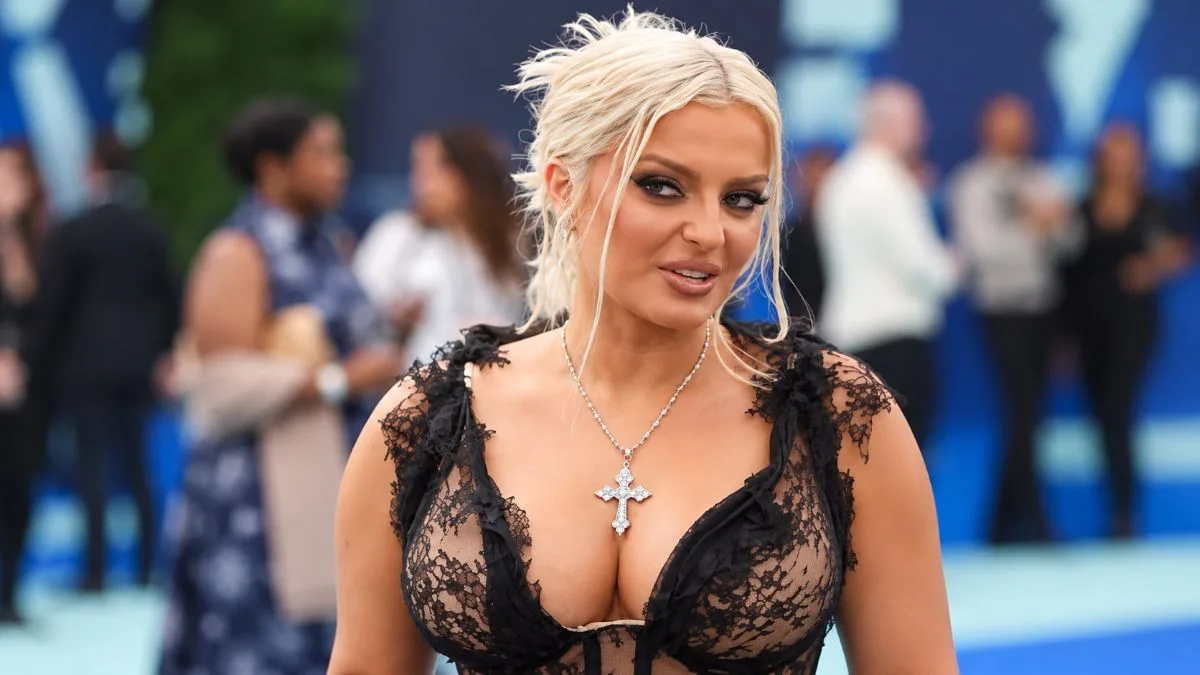
Bebe Rexha didn’t need a packed arena to make “New Religion” feel enormous.
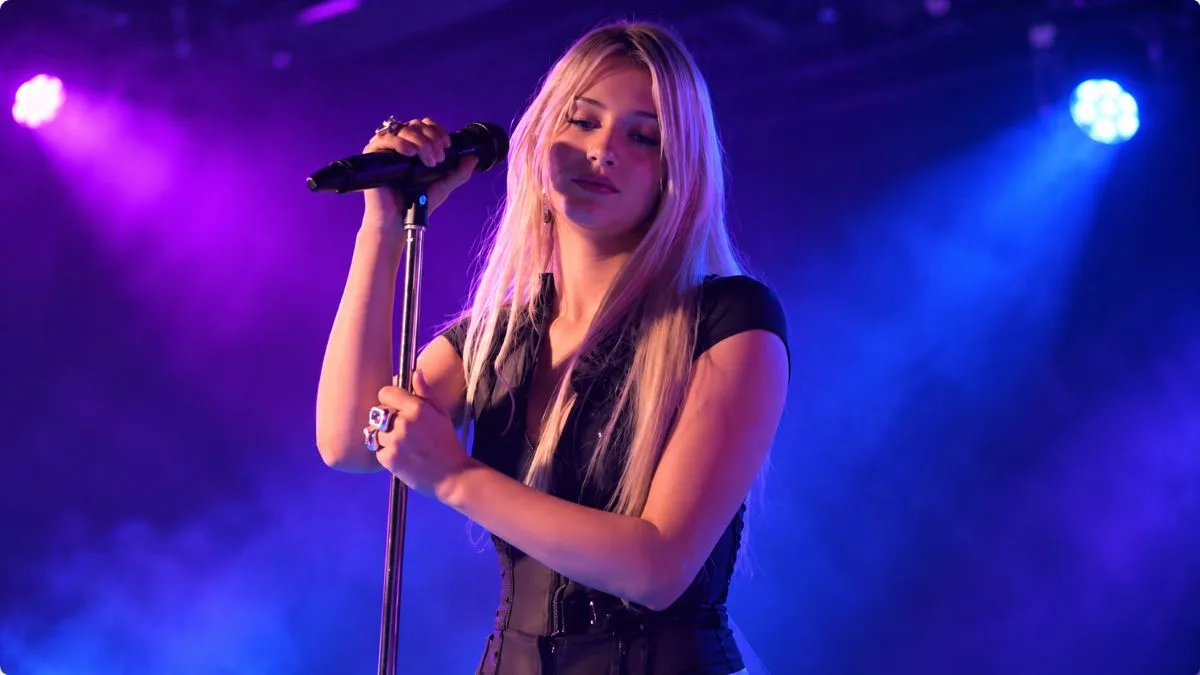
The pop star brought the dance-driven track to the GRAMMY Museum in Los Angeles, delivering an intimate performance of one of the most important songs from her latest album, Dirty Blonde.
Rexha appeared at the museum’s Ray Charles Rooftop Terrace as part of The Drop: Bebe Rexha, an evening built around a conversation about Dirty Blonde, her creative process and the radically different chapter of her career that produced it.
“New Religion” was a particularly fitting song to perform in that setting.
It isn’t merely another dance single in Rexha’s catalog. The song is closely tied to the reinvention behind Dirty Blonde — and to the singer’s decision to find freedom in music after becoming frustrated with other parts of her life.
Bebe Rexha Brings ‘New Religion’ Back to Its Emotional Core
Released in March, “New Religion” pairs Rexha with legendary British electronic act Faithless and draws from the group’s classic dance track “Insomnia.”
On the surface, it is built for the club.
Underneath, Rexha has explained that the song came from somewhere far more complicated.
While discussing Dirty Blonde, she said she conceived “New Religion” during a period when she was struggling with the major-label system, relationships and questions about faith. Music — and particularly the communal feeling she found while going out and dancing — became an escape.
That context changes the meaning of the song.
The pounding dance production isn’t simply there to make people move. “New Religion” presents music itself as a source of healing, escape and belonging.
Performing it at the GRAMMY Museum therefore gave the track something of a full-circle moment: a song about rediscovering faith through music being performed in a venue devoted to celebrating music’s history and impact.
‘Dirty Blonde’ Marks a Different Bebe Rexha
The performance also arrives during perhaps the most personally significant phase of Rexha’s career.
Released June 12, Dirty Blonde is her fourth studio album and her first project as an independent artist in partnership with EMPIRE.
That freedom appears to be the point.
Rexha has spoken openly about stripping away ideas she had absorbed about how a traditional pop artist was supposed to operate. Instead of forcing herself into one commercial lane, she allowed Dirty Blonde to move wherever her instincts took it.
The result includes the club intensity of “New Religion” alongside songs dealing with insecurity, heartbreak and identity.
Even fans played a role in the process. Rexha has said listener feedback helped shape parts of the project, including the evolution of “New Religion.”
Bebe Rexha’s Reinvention Feels More Personal Than Ever
The GRAMMY Museum appearance offered a fitting environment for Rexha to explain that evolution.
The institution introduced her as a four-time GRAMMY Award nominee whose career has moved easily between genres, highlighting hits including “Meant to Be,” David Guetta collaboration “I’m Good (Blue)” and Martin Garrix’s “In the Name of Love.”
But Dirty Blonde represents something those enormous collaborations could not necessarily provide: complete ownership of the direction.
Rexha is no longer simply chasing the version of a pop career somebody else thinks she should have.
“New Religion” may be the clearest expression of that freedom.
It borrows from dance-music history without becoming trapped by it. It turns personal uncertainty into something euphoric. And when performed live, its central idea becomes particularly easy to understand.
Sometimes the place people go looking for salvation isn’t a church.
For Bebe Rexha, it might simply be wherever the music is loud enough.
And at the GRAMMY Museum, “New Religion” sounded right at home.
0 COMMENTS